The Four Domains of Potential
The HPGE framework identifies four broad domains in which students may demonstrate high potential. These domains are interconnected, and many students show advanced ability in more than one area. NSW Education videos and information
1. Intellectual Domain
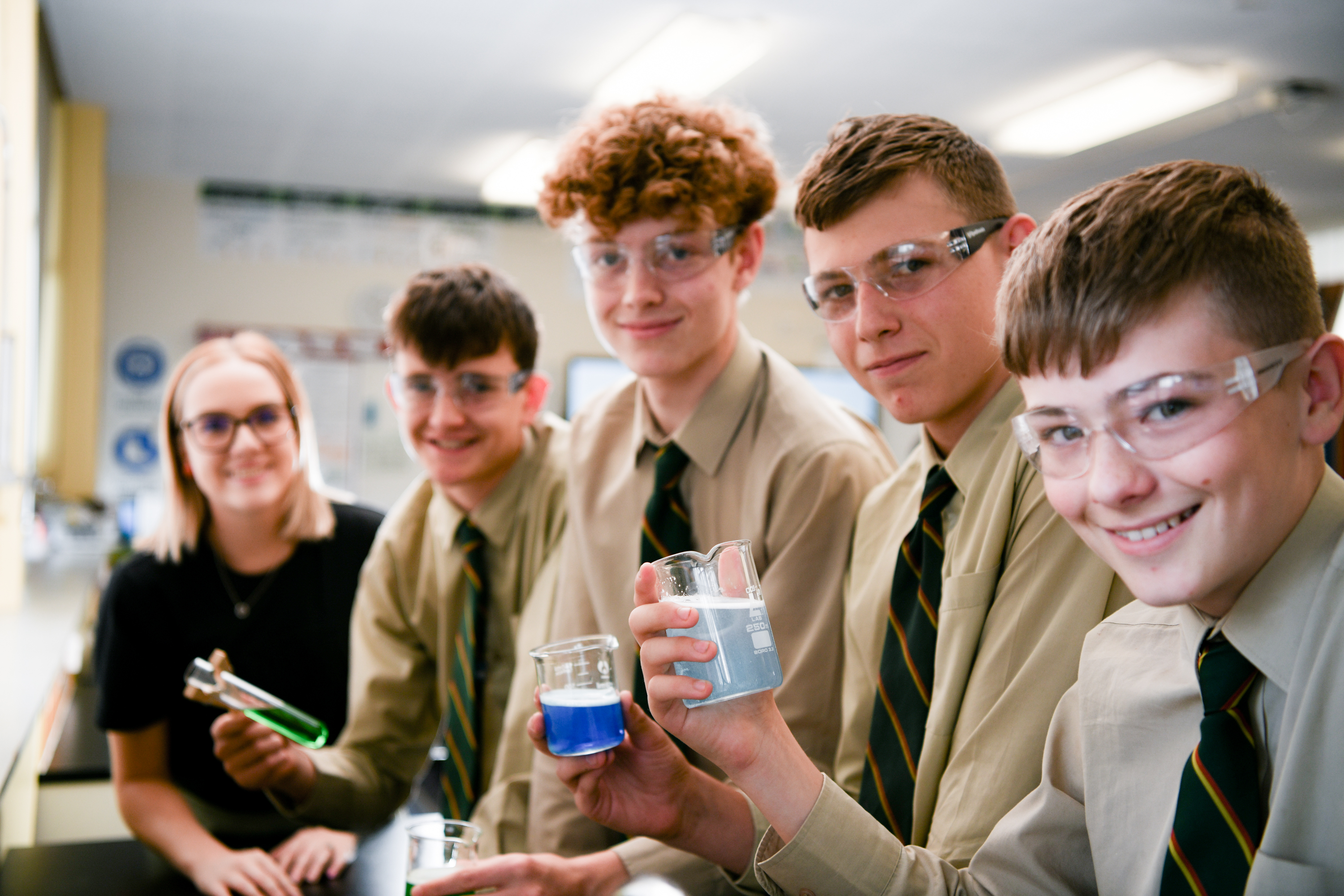
Students with high potential in the intellectual domain demonstrate advanced cognitive abilities including complex thinking, reasoning, logic, problem-solving, pattern recognition and the ability to transfer learning across contexts. This may be seen in academic pursuits such as mathematics, science, advanced literacy, strategic thinking and deep comprehension skills.
At Farrer:
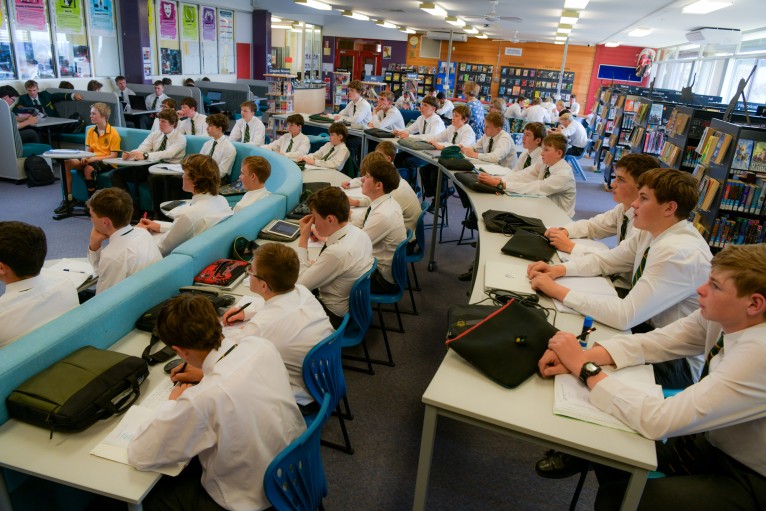
As we are a selective school, many of our learners already exhibit high academic ability. Farrer offers a broad
curriculum
including STEM, agricultural sciences, humanities, robotics, languages and the arts that allow students to explore depth, complexity and
higher-order thinking.
Characteristics:
- capacity for greater analytical depth
- fewer repetitions needed for mastery
- greater capability in abstract reasoning
- relative ease in making connections between disciplines
- advanced reading ability and comprehension
- knowledgeable in areas of passion
- processes information in complex ways
- enjoys hypothesising
- thrives on complexity and can see many points of view
- thinks in analogies
NB: These learning characteristics should be used as only one source of evidence to assess and identify student needs. This is not an exhaustive list nor is it a checklist.

2. Creative Domain
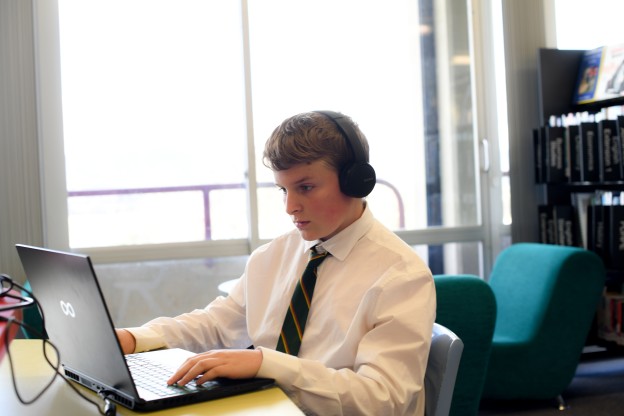
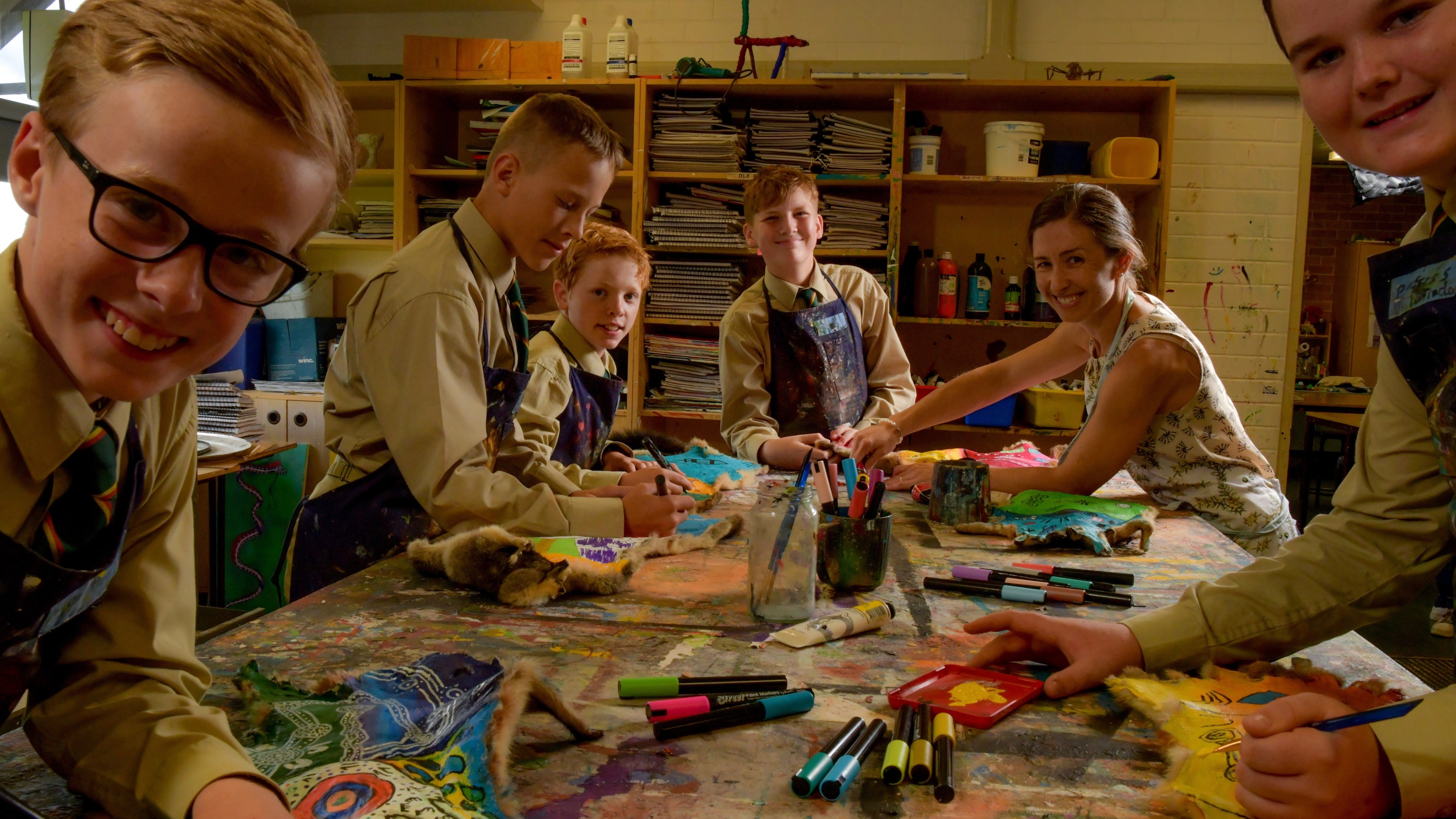
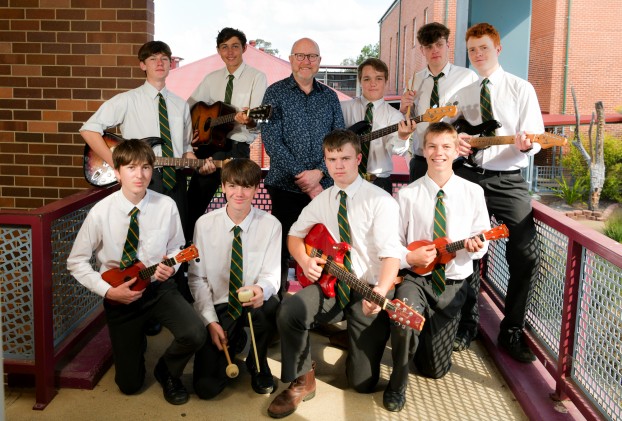
Creative potential refers to a student’s ability to generate original ideas, think imaginatively, take intellectual risks and innovate across disciplines. This includes artistic expression, design thinking, inventive problem-solving and multimedia creation.
At Farrer:
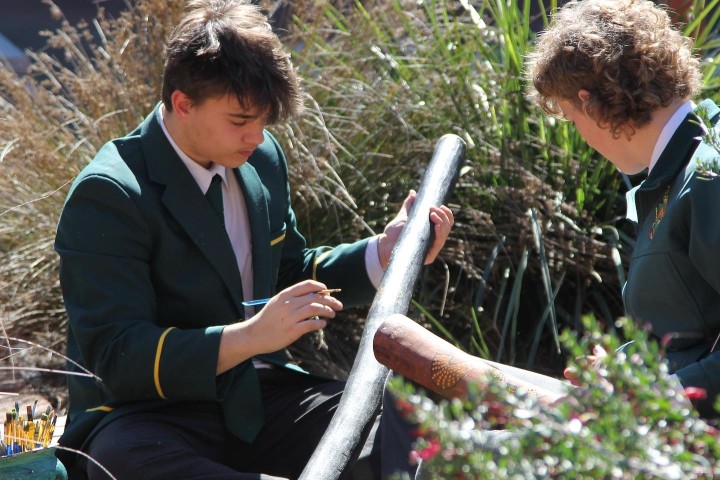
Our creative offerings - from visual arts
and drama
to digital media and robotics, wood and metal projects - encourage
original thinking and innovation. Students are encouraged to explore and develop creative solutions in real-world contexts including agricultural
technology
and sustainability projects.
Characteristics:
- advanced organisational and management skills
- advanced social and communication skills
- emotional stability
- empathy
- demonstrated leadership and decision-making skills
- resilient and self-aware
- foresees consequences and implications of decisions
- respected by peers
- self-confident
- task analysis and backwards mapping abilities
- social justice advocacy
NB: These learning characteristics should be used as only one source of evidence to assess and identify student needs. This is not an exhaustive list nor is it a checklist.


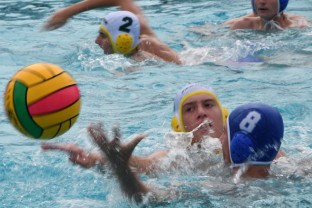
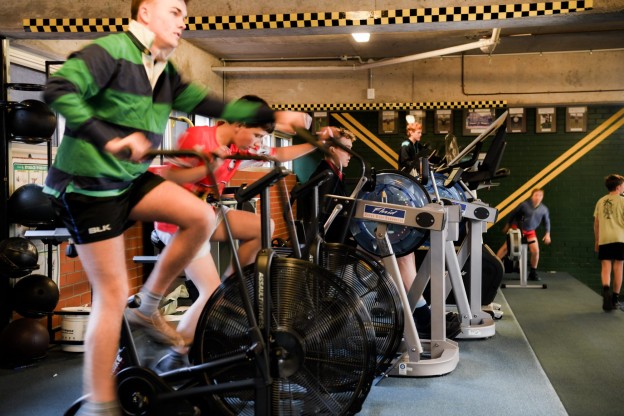
3. Physical Domain
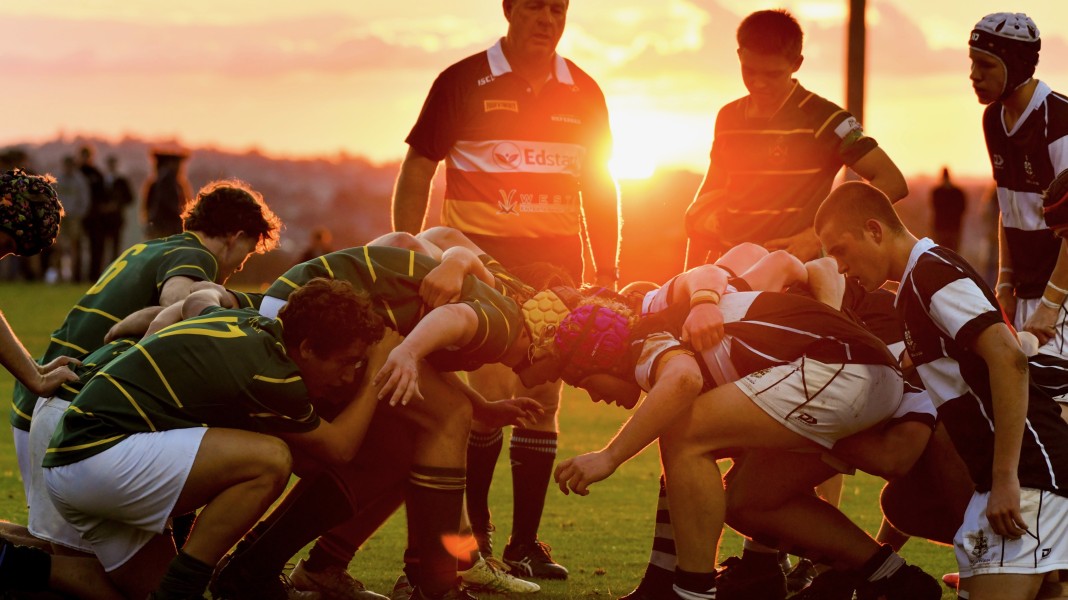
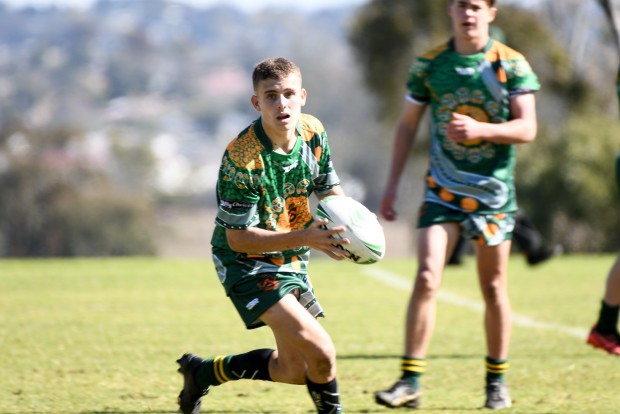
The physical domain describes natural abilities in movement, motor coordination, athletic performance and physical skills. This includes sport, physical problem-solving, kinaesthetic learning and excellence in physical pursuits.
At Farrer:
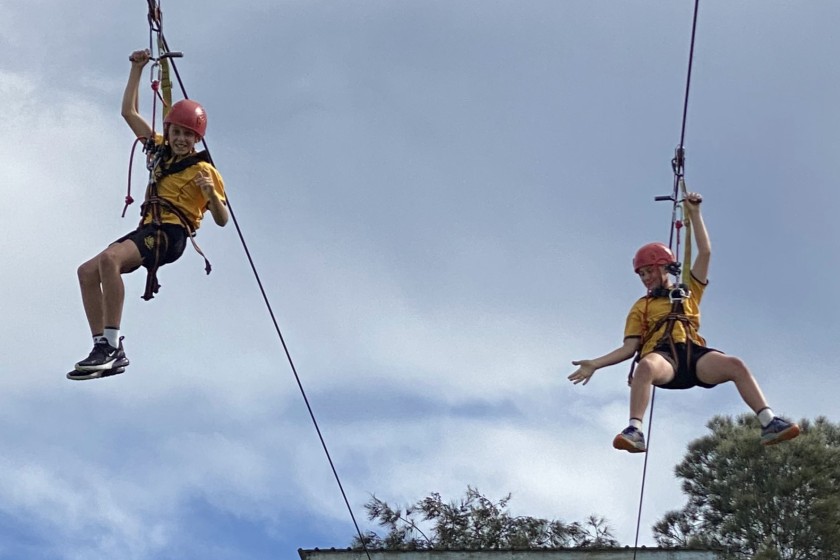
Physical potential is honoured through a range of sporting
programs,
NSWCHS and All-Schools competitions, aquatics, strength and conditioning, and participation opportunities across individual and team sports.
Our extensive facilities support students to pursue sporting excellence alongside academic and personal growth.
Characteristics:
- subtlety in movement and control of body
- self-disciplined
- coordinated, balanced and confident in physical activities
- high energy levels
- superior understanding of spatial relationships
- endurance, stamina and persistence in physical activities
- suitability of body build for area of physical high potential
- demonstrates prowess in physical activities common amongst age peers
- competitive
- ‘hands on’ learning preference
NB: These learning characteristics should be used as only one source of evidence to assess and identify student needs. This is not an exhaustive list nor is it a checklist.
4. Social-Emotional Domain
Social-emotional domain potential is shown through self-management, interpersonal skills, leadership, empathy, resilience and emotional intelligence. Students with strength in this domain can lead teams, manage complex social interactions and contribute positively to community wellbeing.
At Farrer:
Our wellbeing
programs,
leadership pathways, prefect system and community service initiatives help students develop
self-awareness, resilience and the capacity to work effectively with others. Additionally, our Aboriginal
and cultural programs
promote cultural awareness, engagement and mentoring. Boarding life also reinforces social-emotional maturity,
independence and personal responsibility.
Characteristics:
- advanced organisational and management skills
- advanced social and communication skills
- emotional stability
- empathy
- demonstrated leadership and decision-making skills
- resilient and self-aware
- foresees consequences and implications of decisions
- respected by peers
- Self-confident
- task analysis and backwards mapping abilities
- social justice advocacy
NB: These learning characteristics should be used as only one source of evidence to assess and identify student needs. This is not an exhaustive list nor is it a checklist.